Introduction
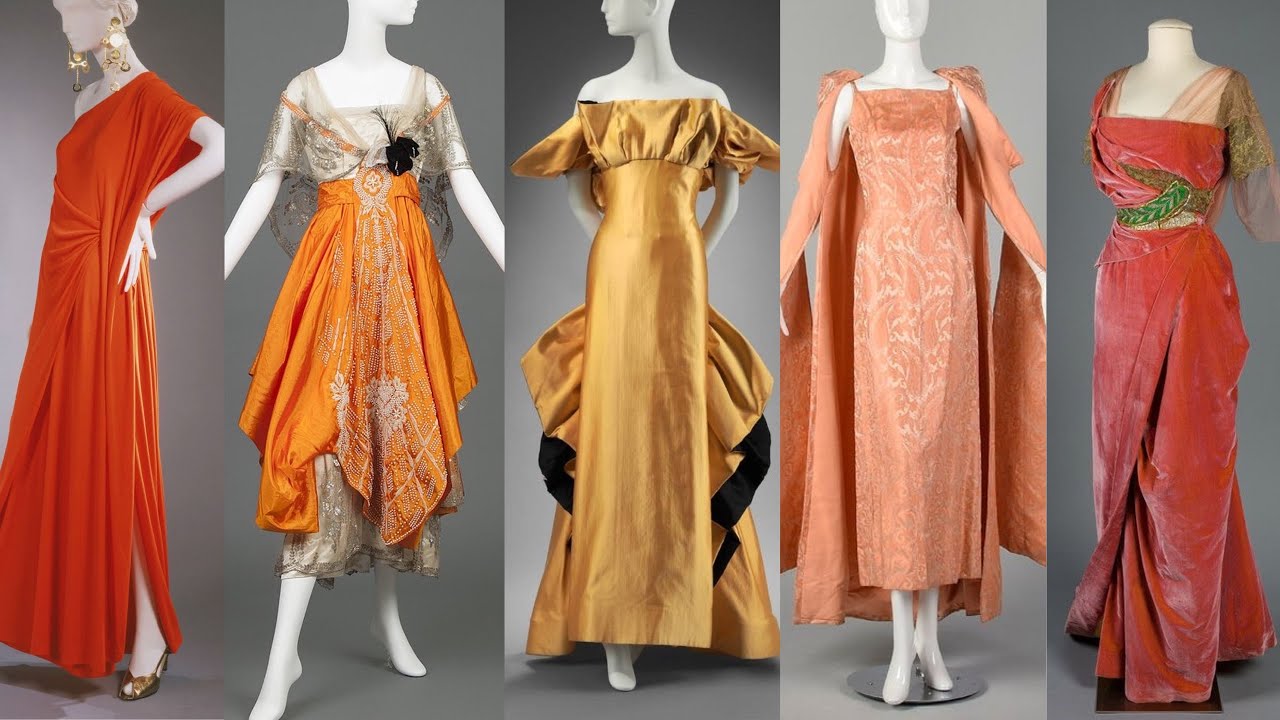
Throughout history, women's garments has actually undergone a remarkable improvement. From ancient people to modern times, the method women outfit has actually progressed to reflect societal modifications and cultural impacts. This short article discovers the various stages of this transformation, highlighting crucial growths and fads in women's garments. We explore the historic context, taking a look at exactly how women's clothes has actually been formed by factors such as social status, style motions, and improvements in fabric technology. Join us on this trip via time as we uncover the remarkable story of women's clothing.
The Advancement of Women's Clothing
Ancient Human beings: From Drapes to Togas
In old worlds such as Egypt and Greece, women's apparel was identified by loose-fitting garments made from natural fibers like bed linen and wool. These early attire were typically straightforward drapes or chitons that covered the body modestly. In Egypt, women used a rectangle-shaped item of material twisted around their bodies called a "kalasiris." At the same time, in ancient Greece, women wore streaming robes known as "chitons" or "peplos," which were secured with pins at the shoulders.
The Center Ages: Gothic Silhouettes and Sumptuary Laws
During the Center Ages, Europe observed substantial changes in women's style. Gothic silhouettes emerged, including long, equipped gowns with high-waisted corsets and trailing sleeves. Nonetheless, these designs were largely influenced by social condition and sumptuary regulations that determined what colors and fabrics can be put on by different classes of culture. Women from honorable family members adorned themselves with lavish materials like velvet and silk, while those from lowers ranks had much more limited options.
Renaissance: The Birth of Fashion Trends
The Renaissance duration noted a transforming factor in fashion, with a restored focus on private design and self-expression. Women's garments became more organized and customized to highlight the women form. Corsets were introduced to produce a preferable hourglass form, and abundant skirts called "farthingales" ended up being popular. Style patterns started to emerge, with women looking for the latest design and styles to showcase their wide range and status.
Victorian Period: Constraint and Elegance
The Victorian age was defined by strict societal norms and a focus on discreetness in women's apparel. Corsets tightened the waistline to extreme proportions, while extensive skirts with layers of petticoats created an exaggerated hourglass number. This duration also saw the intro of new textiles such as silk and satin, which added an element of high-end to women's garments. The idea of "proper clothing" came to be deeply ingrained in society, reflecting the worths and expectations of the time.
Roaring Twenties: Liberation and Flapper Fashion
The 1920s brought about a revolution in women's clothes, as social standards began to move towards freedom and independence. The renowned flapper design emerged, identified by brief hemlines, went down waists, and baggy silhouettes that allowed for greater freedom of activity. Women accepted a lot more laid-back attire, discarding bodices for comfy undergarments like brassieres. The makeover of women's garments in this era showed altering attitudes towards sex functions and a desire for private expression.
Post-War Style: New Origin and Dior's New Look
After World War II, style handled a brand-new direction as designers looked for to reconstruct the market and revive a feeling of glamour. Christian Dior introduced his revolutionary "Face-lift" in 1947, featuring cinched waistlines, full skirts, and stressed busts-- a stark contrast to the practical designs prevalent throughout war time. This marked the resurgence of womanly beauty and class in women's clothing.
Swinging Sixties: Miniskirts and Cultural Revolution
The 1960s witnessed a social revolution that reached the realm of style. Hemlines climbed substantially, and the miniskirt ended up being an iconic sign of liberation and vibrant disobedience. Women embraced strong colors, psychedelic prints, and unconventional fabrics like PVC. This period tested conventional concepts of womanhood and paved the way for more speculative and boundary-pushing styles.
Modern Times: Variety and Empowerment
In current years, women's apparel has ended up being progressively varied, showing the transforming landscape of society. The rise of feminism and body positivity activities has actually resulted in a higher focus on inclusivity and self-expression. Stylist now deal with a large range of physique, providing alternatives that celebrate originality. Women have the freedom to select from numerous designs, whether it be tailored matches for the boardroom or athleisure wear for a laid-back day out.
FAQs regarding the Change of Women's Clothes through History
How did women's garments differ in old civilizations?- In old worlds, women's clothes contained baggy drapes or chitons made from all-natural fibers like linen and wool. Egyptian women used a rectangle-shaped item of material called a "kalasiris," while Greek women put on flowing bathrobes known as "chitons" or "peplos."
- Sumptuary legislations were laws that dictated what colors and textiles could be worn by various classes of society during the Middle Ages. These laws aimed to maintain social pecking order by limiting specific lavish materials to the aristocracy while restricting lowers ranks' accessibility to them.
- The Renaissance period noted a shift towards specific style and self-expression in women's style. Clothes ended up being a lot more structured and customized, with corsets developing a shapely form and voluminous skirts called "farthingales" coming to be popular.
- The Victorian age was characterized by strict social norms and a focus on discreetness in women's garments. Bodices were worn to achieve a tiny waistline, and extensive skirts with layers of waistcoats developed an exaggerated shapely figure.
- Flapper style emerged in the 1920s as a symbol of liberation and freedom. Women welcomed shorter hemlines, dropped midsections, and baggy shapes that permitted greater liberty of motion. This style mirrored altering attitudes towards gender roles.
- In modern times, women's garments has come to be much more diverse, mirroring societal adjustments and the increase of movements like feminism and body positivity. Fashion designers now satisfy a large range of physique, using options that celebrate individuality and self-expression.
Conclusion
The transformation of women's clothes with history is a testament to the advancement of society, society, and individual expression. From the draped garments of ancient people to the miniskirts of the turning sixties, each era has left its mark on just how women gown. Throughout these changes, something stays continuous-- women have made use of clothes as a http://kylerzfpt367.fotosdefrases.com/how-women-s-garments-have-advanced-over-the-years way to convey their identity, obstacle norms, and celebrate their originality. As we continue right into the future, it will certainly be remarkable to witness how women's clothing continues to develop and adapt to new contexts and perspectives.